

An art prompt is a short cue, such as a word, phrase or small scenario, that gives you something to draw so you do not have to decide what to draw. Using prompts can spark creativity and new ideas, especially when you are tired and your imagination has nothing left to offer. This post is how I use them, with prompt lists, methods and a gentle challenge you can try this week.
Opening: Why I Use Art Prompts on My Commute
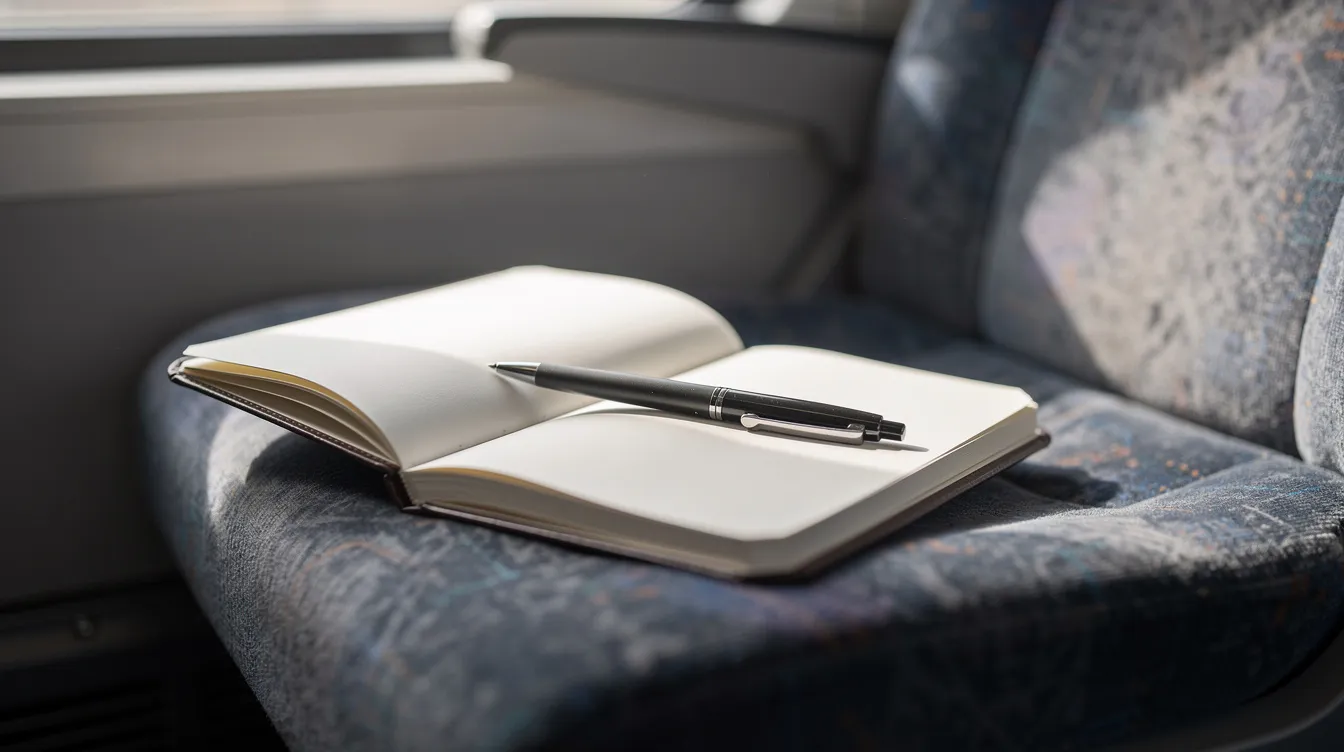
I plan bus and LRT routes for a city transit department in Edmonton, Alberta, so by 8:15 in the morning the last thing I want is another decision. Two Januaries ago I started carrying a pocket sketchbook to fill my twelve-minute train ride. I had just attempted a 30-day drawing challenge and nearly quit on day four because I could not think of anything to draw and felt stupid about it. What saved me was a prompt list I found on my phone. Someone had typed thirty single words, one per day, and suddenly I did not need an idea. I just needed a pencil and a page.
If you are a busy beginner, or someone returning to drawing after years away, this post is a collection of practical prompts, small routines and honest notes on what works for ten or fifteen spare minutes a day.
Why Art Prompts Make Drawing Feel Easier
Before prompts I stared at the blank page for four minutes, then drew my coffee cup again. The problem was not a lack of skill. It was too many small choices at once: what subject, what angle, what tool, how finished. By the time I picked something I had already lost half my ride.
Drawing prompts help overcome creative blocks and foster regular practice by removing most of those choices. Prompts help remove decision fatigue for artists, which is a real phenomenon. Psychologists use the phrase “decision fatigue” to describe how the quality of your choices drops after you have made too many. When a prompt hands you a subject, your brain skips straight to drawing. Prompts reduce decision fatigue and open creative doors you would not have noticed otherwise.
Drawing prompts can spark curiosity and creativity in ways that free drawing rarely does. They push you toward subjects you would never pick on your own. I spent one commute on “a ladder” and got better at perspective without studying it. Another day the word was “thread” and I ended up trying to illustrate tension, which taught me more about line weight than any tutorial.
A prompt is not an assignment or a test. It is a starting point, and you can bend it however you like. The idea is older than the internet. Brian Eno and Peter Schmidt published the Oblique Strategies cards in 1975, a set of short instructions designed to nudge creative work out of a rut. A prompt borrows that same nudge rather than waiting for inspiration to show up on its own.
How I Build a Sketchbook Habit Around Art Prompts
My Ten Minute Draw Routine
On the train, ten minutes is the sketch and two is the buffer for putting things away. Here is the routine I follow most mornings:
-
Open my sketchbook and read one prompt from my list.
-
Pick the first prompt that does not make me groan. I allow myself one swap, never two.
-
Think for thirty seconds and take the second picture that comes to mind, because the first is what everyone draws. My second “umbrella” was one abandoned in a bus shelter, and it turned out far more interesting than a person holding one in rain.
-
Draw small and loose on a pocket page that forgives mistakes.
-
Stop when the timer rings and close the book without critiquing the drawing.
This is not about creating a finished illustration. It is about starting. Research on habit formation suggests it takes a median of about 59 days of repetition before a behaviour feels automatic. The routine itself matters more than any single drawing.
My Rules for Showing Up
-
Keep one pocket sketchbook ready. Mine lives in my coat pocket.
-
Use one reliable pen, or whatever is in your bag. Limiting your tool to one thing means less setup and fewer excuses.
-
Write the date and the prompt in the corner of every page. This is fun to flip back through on a gray Tuesday in February.
-
Record missed days without restarting. I put a small dash on the date line and move on. A missed day is data, not failure.
-
Consistency matters more than polished results. Five rough pages beat one perfect picture every time.
For readers who want the wider habit around prompts, I have a separate post on how to start sketching daily and the small rules that kept me going past the first month.
Easy Art Prompts for Empty Sketchbook Pages
Keep prompts short. “A fox in a scarf reading a map in a snowy forest” is a recipe for frustration on a twelve-minute ride. One or two words is enough. The constraint is the time, and the prompt is the subject. Drawing prompts can spark curiosity and creativity without needing elaborate instructions.
Still Life Prompts From Daily Objects
Sketching everyday objects can reimagine their significance and form. A transit pass you have scanned a thousand times looks completely different when you actually study it.
-
Draw your transit pass or work badge
-
Sketch a half-finished coffee
-
Study one object from three angles
-
Build a still life from whatever is in your pocket: keys, headphones, a coin
Boring prompts like “chair” taught me the most. Give a dull subject a twist: draw it broken, tiny, huge or from above. That single change forces you to imagine the object fresh and practice detail you would otherwise skip.
People Prompts for Public Transit
-
Capture a passenger silhouette in under two minutes
-
Draw waiting poses at a station
-
Sketch hands holding everyday objects
-
Simplify faces into quick shapes, circles for heads, triangles for noses
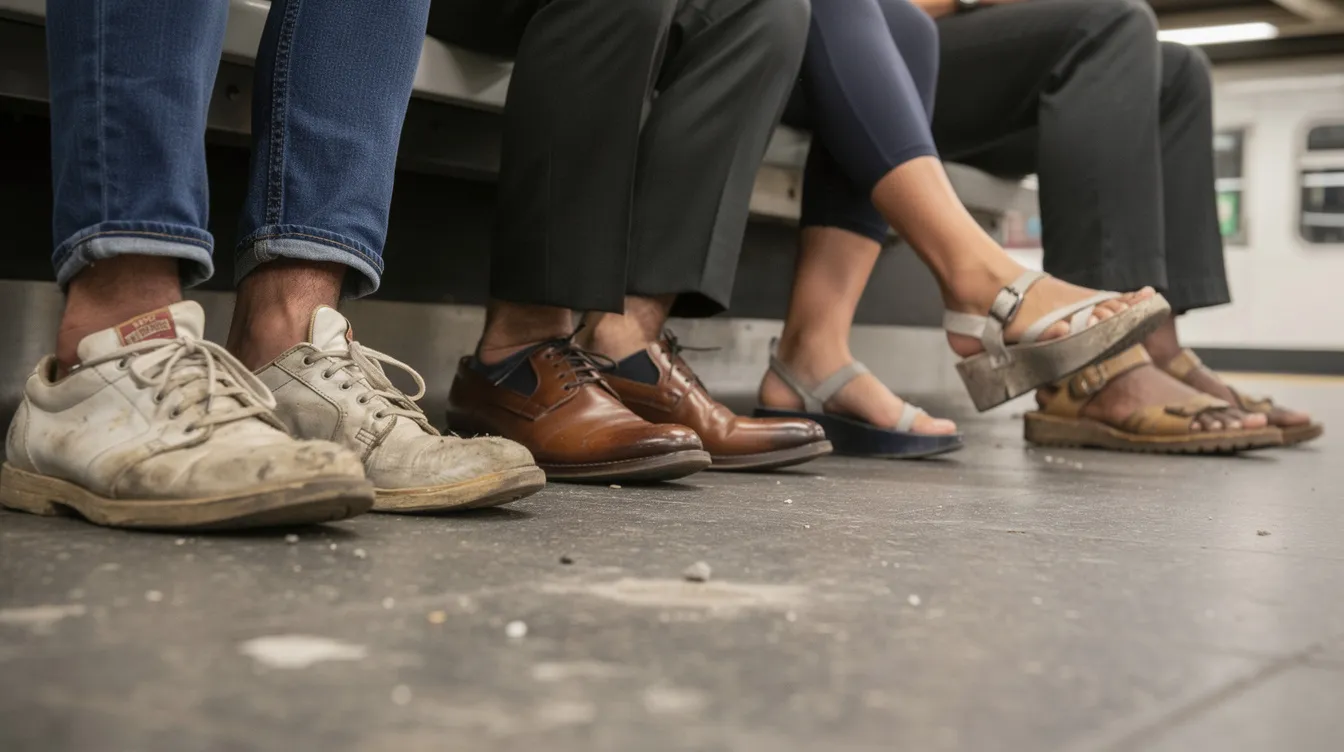
Try “the shoes of the person across from you” as a low-pressure way in. Nobody notices you drawing their shoes, and footwear has amazing texture and patterns.
Places Prompts From Edmonton Routes
-
Draw a station entrance from memory
-
Sketch a familiar bus shelter
-
Record one changing view through the window as the train moves
-
“Draw the third thing you see” works anywhere, on any route, in any city
Nature can be a source for creating art prompts too. A tree line behind a parking lot, a puddle reflecting buildings, or the sky above a landscape of rooftops all count.
Mixed Media Art Prompts for Exploring Style
Mixed media sounds ambitious, but it can be as simple as adding one colored tool to your usual pen. I started by carrying a single orange highlighter alongside my black pen. That was enough to create something that felt new.
Using familiar materials in unusual ways can lead to unique artworks. Try a bus ticket as collage material. Use a coffee ring as a starting shape. Using three colors can enhance focus on value and composition, because you stop worrying about matching reality and start thinking about what matters in the picture.
Limitations in color can lead to interesting artistic experimentation. I once did a week where every drawing used only blue, brown and white, and the constraint forced me to pay attention to light and shadow instead of filling areas with lazy detail.
Simple Material Swaps
-
Draw with a highlighter as your only tool
-
Add watercolor to a dried line drawing at home
-
Use ticket paper or receipt paper for a quick collage on a sketchbook page
-
Test pencil marks over dried paint to build texture
Creating a continuous line drawing challenges control and creativity. Try drawing without lifting your pen from the paper. It is a constraint that has nothing to do with the subject and everything to do with how you see the object.
Constraints like “three colors” or “no lifting the pen” are good for days when the subject does not matter but you still want to explore and practice.
Prompt Methods I Use When I Have No Ideas
I keep a jar. Not a real jar, but a note on my phone where I jot down words I overhear, signs I pass and odd phrases from meetings. When I have no ideas, I pick one at random and draw whatever comes to mind. Art prompts can be generated from random words or music, from a snatch of lyrics stuck in your head or a phrase someone said on a call. You can also use a word generator to inspire unique art prompts if your personal list runs dry.
One warning: collect one list at a time. I once saved six prompt lists in a week from Google searches and the internet and drew nothing. Too many options is worse than none. If you want volume, sites like Art Prompts offer over 4,000 unique prompts, and over 2,500 prompts are available for free, but pick one list and stick with it until it is done.
Combine Subject With Constraint
Pair one ordinary subject with one rule. This is where the learning happens.
-
Draw a plant using only angular lines and shapes
-
Sketch a building using three values: light, medium, dark
-
Illustrate an animal using only circles
The constraint does the creative work for you. You just follow it.
Turn Memories Into Prompts
-
Choose one detail from your morning and draw it from memory
-
Convert a sound into a visual mark. What does a train horn look like as a line?
-
Draw an object connected to one specific memory, like the mug from your old apartment
Art can communicate deeper messages through emotional and symbolic themes. A prompt like “dream about a person you miss” or “draw what wonder feels like” turns a simple sketch into something with real emotion behind it. Conceptual and surreal themes can push creative boundaries, and they do not require advanced skill, just willingness to imagine.
Let the Weather Choose
-
Record the day’s strongest color outside your window
-
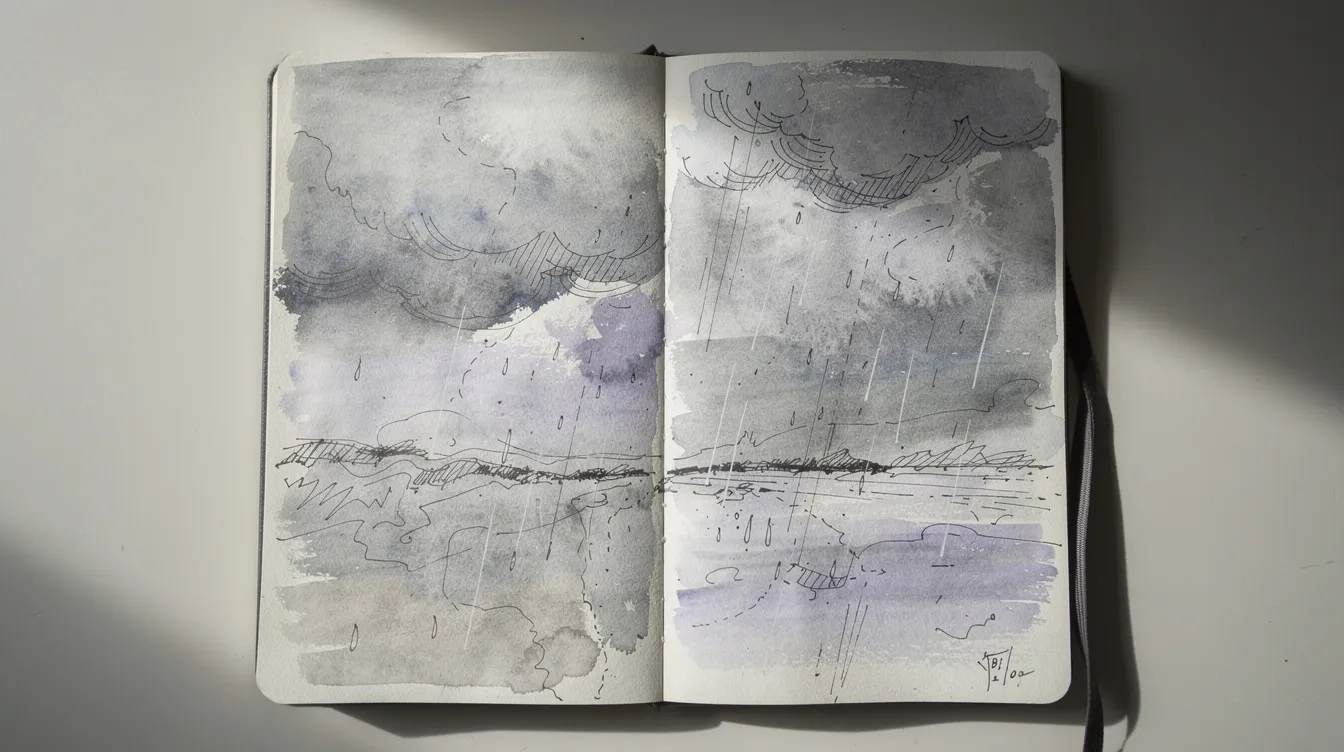
Draw the texture suggested by rain, heavy dots or fine hatching
-
Translate sunlight into simple patterns on paper
Visualizing emotions as weather systems can inspire abstract art. If you are in a heavy mood, draw storm clouds. If you feel light, draw the space between leaves. The weather becomes a mirror, and the drawing becomes more than a picture of the sky.
A Gentle Thirty Day Art Prompt Challenge
A challenge is just a prompt list with a schedule attached. I failed my first one by treating each day as a performance rather than a habit. The fix was lowering my expectations until the challenge felt like a routine instead of a category of achievement.
Art prompts can help jumpstart creativity, especially when arranged as a sequence. Here is how I structure a gentle thirty-day challenge now:
-
One small prompt per day, never more than two words
-
No requirement for finished artwork. A five-minute sketch counts.
-
Vary themes across the month: animals one day, buildings the next, abstract the day after
-
Include a free drawing page every seventh day where you draw whatever you want or nothing at all
-
Keep a running count of pages, not quality
The community energy of shared challenges is real. Jake Parker started Inktober alone in 2009, and by 2017 it had grown to over three million posts on social media. That momentum helps. But the momentum of comparison can hurt, so I keep my challenge private unless I feel like sharing.
Recovering After I Miss a Day
Name the missed day without self-criticism and continue with the next prompt. Do not go back and “make up” the skipped day. That creates a backlog that kills the whole thing.
Shrink the routine when motivation drops. If ten minutes feels impossible, spend two minutes. Draw one line on the page. Eventually skipping feels harder than drawing, and that is when the habit has taken hold.
Measure pages filled, not perfection achieved. For the full story of what saved me after day four, I have a separate post on how to finish a draw challenge without burning out.
Inktober Prompts for Beginners
Inktober, started by illustrator Jake Parker in 2009, publishes an official word list each October. You can use those words in any month with any medium, despite the name. I have used Inktober lists in March with a ballpoint pen and felt no guilt about it.
If you are a beginner, simplify the expectations:
-
Pick only the prompts that interest you and skip the rest
-
Practice one mark, a single line or a hatching pattern, before starting each page
-
Use any pen. Fancy ink is not required.
-
If a prompt feels impossible, swap it or shrink the drawing to a thumbnail. Kids do this naturally, and it works for adults too.
The point of any challenge is to fill pages. It is exploration, not a complete portfolio.
Keeping My Sketchbook Habit After the Prompts End
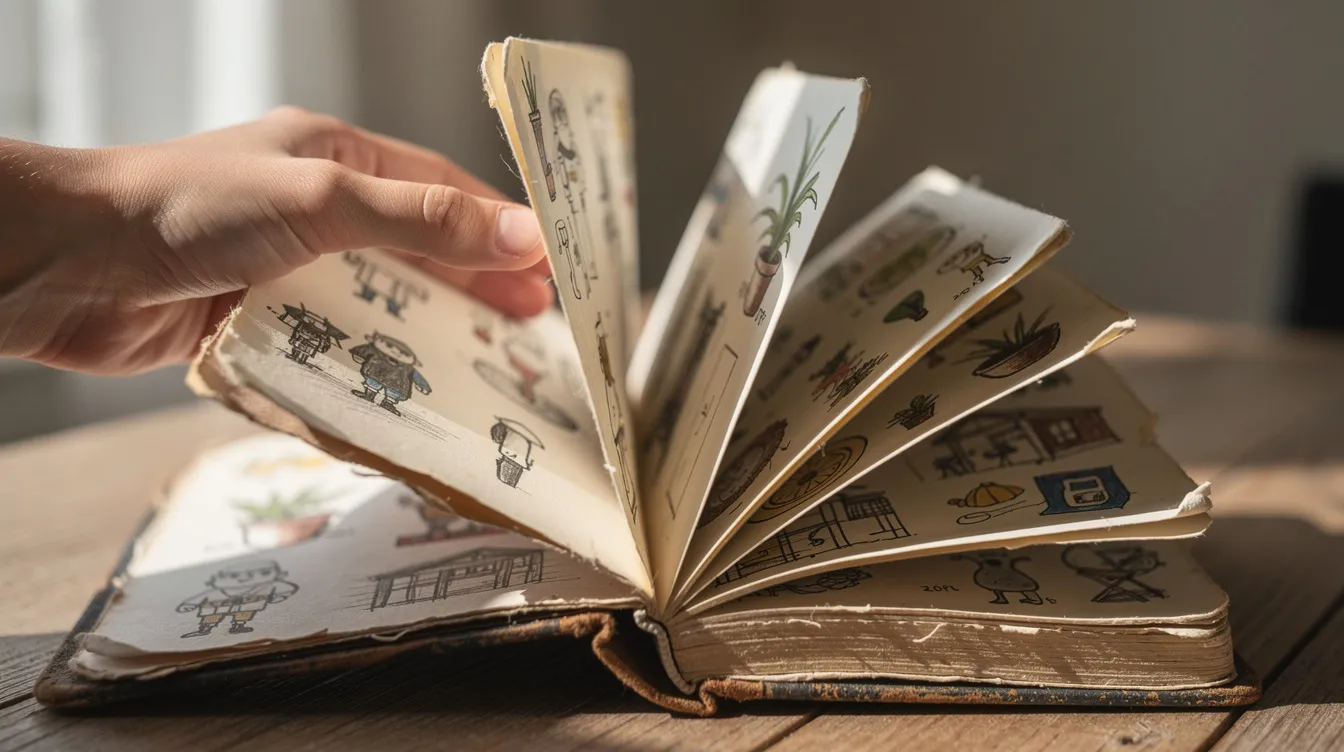
When a prompt list runs out, I flip back through my sketchbook and look for what kept appearing. Last time I noticed I had drawn a lot of buildings and very few people, which told me something about my comfort zone and what to try next.
-
Circle prompts you want to revisit and draw again with a different style or medium
-
Create a personal prompt list from your own recurring interests. Creating your own prompts reflects your personal style, and nobody else needs to see it.
-
Plan the next week around available time. If Monday is busy, that is a one-minute day. If Saturday is open, spend thirty minutes.
-
Some days I draw from life and ignore prompts entirely, and that counts too. A walk through the neighborhood, a window in a cafe, a friend’s dog. Those are prompts from the world, and they are free.
Begin before you feel ready. The page does not care if you are an artist or not. It just needs a mark. If something here helps you fill one, that is the whole point.
FAQ
Is an art prompt the same as a sketch idea?
Mostly yes. It is an idea handed to you by someone or something else, which saves you the work of coming up with one. The difference is that a prompt usually comes with a slight push, a word or a writing cue, while an idea can be vague enough to stall you.
How long should I spend on one prompt?
Ten to fifteen minutes is plenty. The time limit matters more than the exact length. A timer creates urgency, which helps you focus and stops you from overworking.
What if I do not like what I drew?
Leave it and turn the page. I note one thing I would do differently, then stop. That single note is more valuable than staring at a drawing I am unhappy with.
Do I need to use a prompt every day?
No. I use them mostly on days when I do not know what to draw, which is exactly when I am most likely to skip. On days when I already have an idea or feel like doing something from my imagination, I paint or sketch without a prompt.
Can I change a prompt to suit me?
Absolutely. If “ocean” does not appeal, draw a puddle, a bathtub or a single wave. The prompt is a nudge, not a rule. Make it work for your life, your mood and the time you have.